
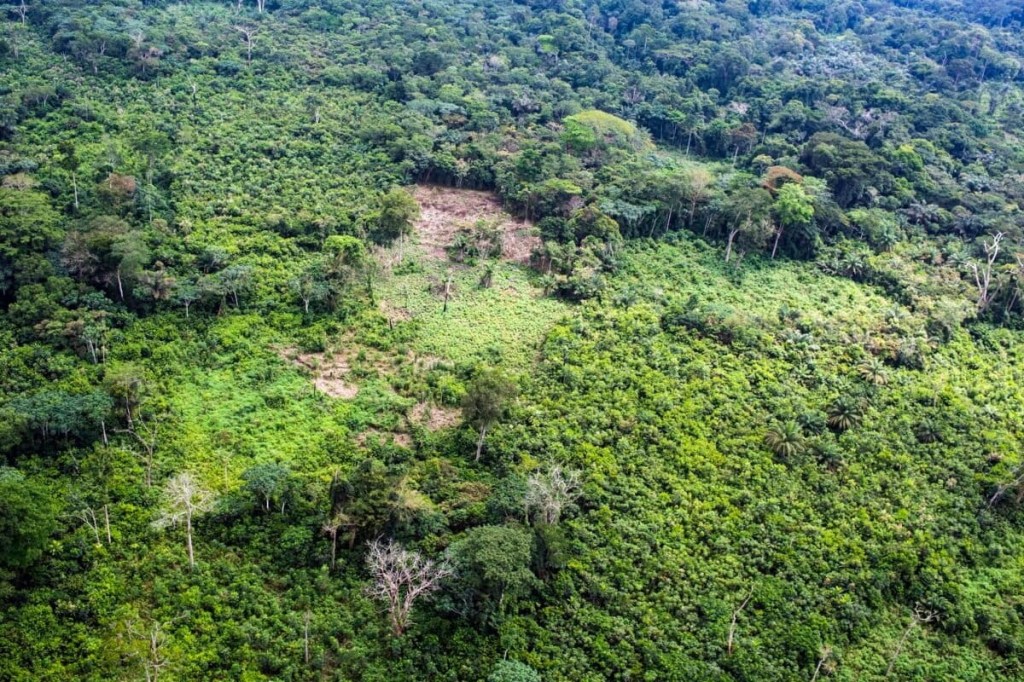
“Beyond its colossal scale and rich history, there is a distinct energy, natural grandeur, and creative brilliance that makes the Democratic Republic of the Congo truly extraordinary.
1. World-Shaping Music & Rhythms
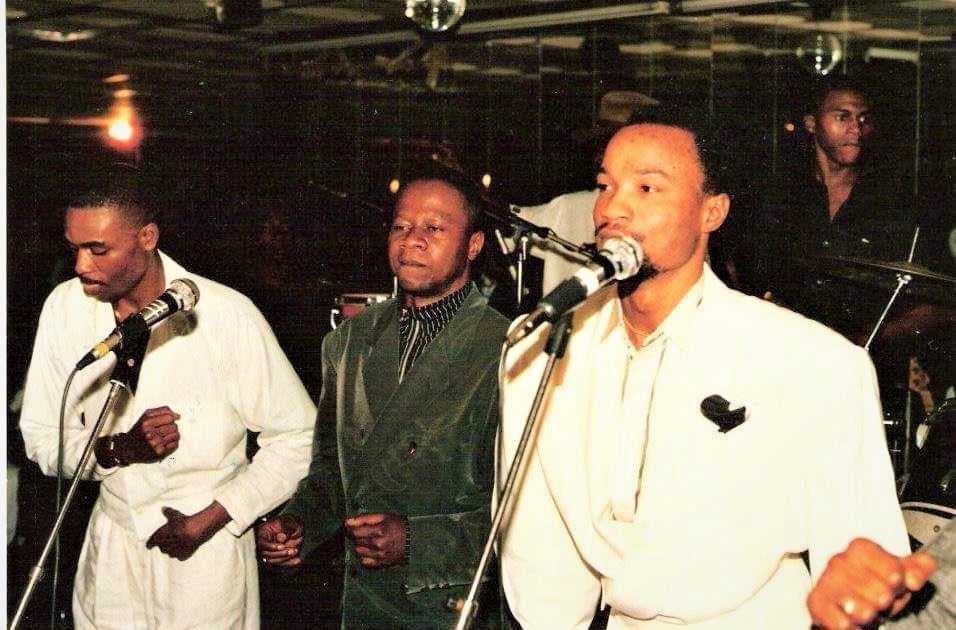
The DRC is the musical heartbeat of Africa. From Congolese Rumba (recognized by UNESCO as Intangible Cultural Heritage) to high-energy Soukous and Ndombolo, Congolese music defined the sound of the entire continent in the 20th century and continues to shape global Afrobeats today. Artists like Franco Luambo, Tabu Ley Rochereau, Papa Wemba, and Fally Ipupa turned infectious guitar riffs and dancing into a universal language.
Read more about it here : Music of the DRC (blog post) (2021)
2. Unrivaled Biodiversity & Ecosystems
The DRC is one of the most ecologically important places on Earth:
- The Second Lungs of the Planet: The Congo Basin contains the world’s second-largest tropical rainforest, acting as a vital carbon sink for global climate stability.
- Exclusive Wildlife: It is the only country on Earth where wild bonobos (our peaceful, matriarchal primate relatives) and the elusive okapi (a forest giraffe) live.
- Virunga National Park: Africa’s oldest national park shelters endangered mountain gorillas amid dramatic volcanic landscapes, crater lakes, and lush mountain slopes.
3. High Fashion as Art (La Sape)
In Kinshasa and Brazzaville, the street is a runway. La Sape (Société des Ambianceurs et des Personnes Élégantes) is a celebrated cultural movement where Sapeurs turn high-fashion tailoring—think bright double-breasted suits, silk ties, and pristine footwear—into an art form of peace, joy, and individual pride.
4. The Mighty Congo River
The Congo River isn’t just a body of water; it’s the lifeblood of the nation. It is the deepest river in the world (reaching depths over 220 meters) and the second-largest by discharge volume. For centuries, it has served as the ultimate highway, supporting local trade, historic fisheries like the Wagenia near Kisangani, and breathtaking riverboat culture.
5. Radiant Food & Flavors
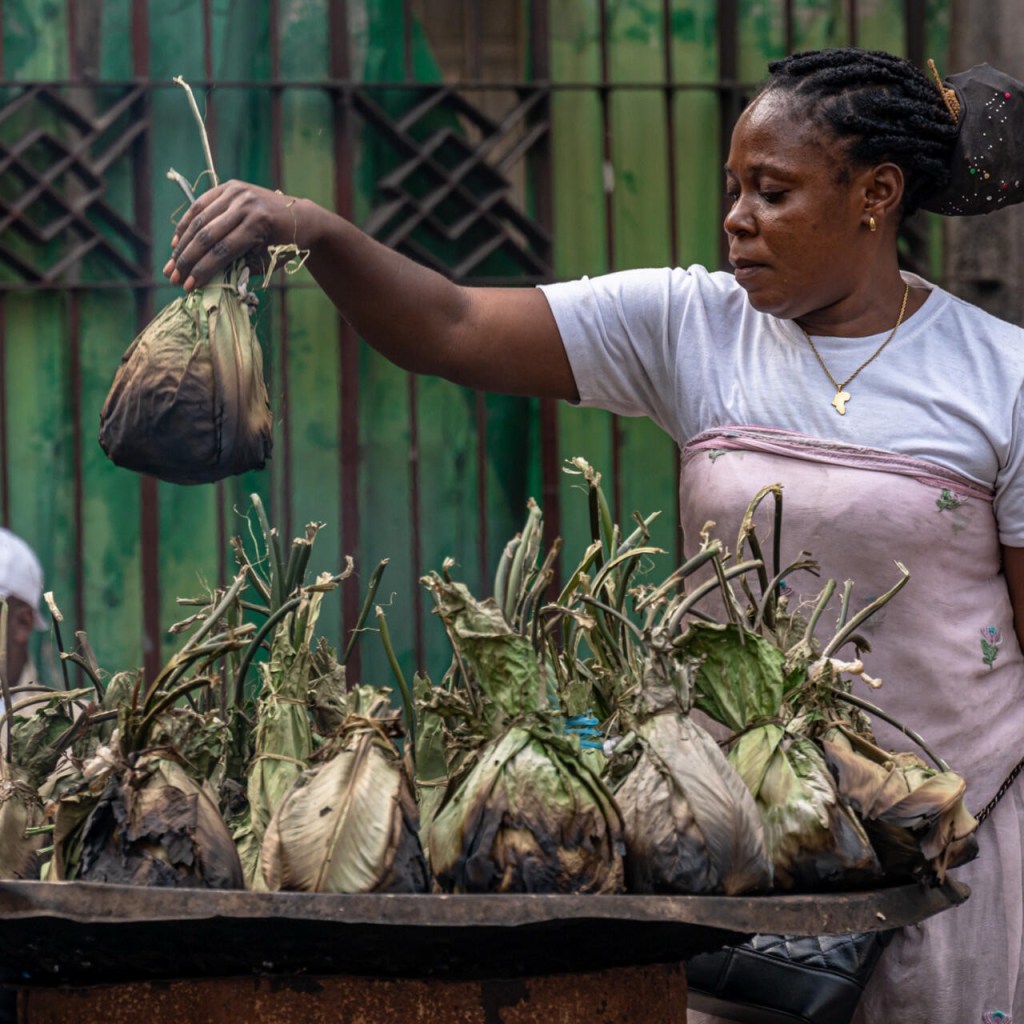
Congolese cuisine is comforting, fresh, and deeply connected to nature. Staples like Liboke na ngolo (catfish seasoned with spices and slow-cooked in banana leaves over charcoal), Moambe (savory chicken cooked in a rich palm nut sauce), and Pondu (savory cassava leaves) offer rich, unforgettable flavors.
6. Legendary Resilience & Youthful Optimism
Perhaps the most powerful thing to love about the Congo is its people. Despite complex historical and regional challenges, Congolese youth, artists, tech innovators, and community organizers exhibit extraordinary creativity, hospitality, and an unshakeable spirit of optimism.
Talk about incredible Congolese people respected around the world? In Sports? Politics? Art? Etc…
The Democratic Republic of the Congo has produced global icons whose achievements have reshaped sports, international diplomacy, medicine, literature, and visual arts worldwide.
Medicine, Humanitarianism & Global Peace
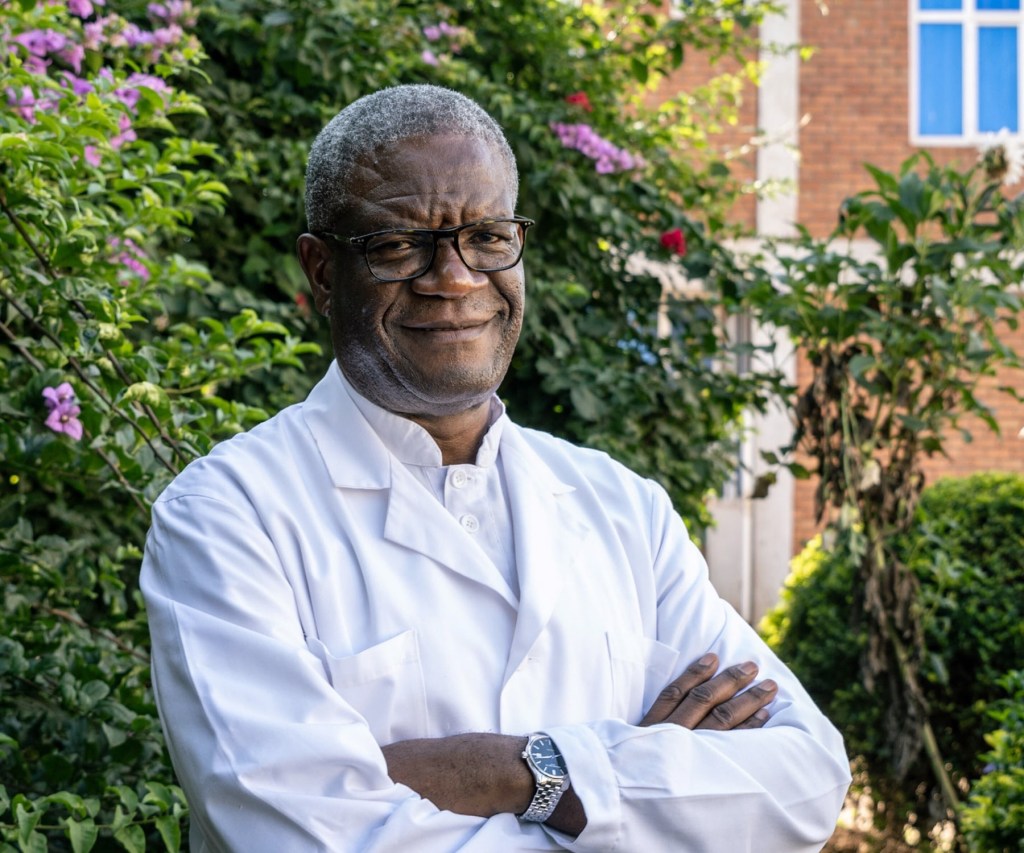
- Dr. Denis Mukwege (Nobel Peace Prize Laureate): A gynecologist from Bukavu, Dr. Mukwege is world-renowned for founding Panzi Hospital. Known as the “man who mends women,” he has dedicated his life to treating thousands of survivors of conflict-related sexual violence. His tireless advocacy for human rights earned him the 2018 Nobel Peace Prize.
- Dr. Sandrine Ngalula Mubenga: A leading STEM innovator and electrical engineering professor in the U.S., Dr. Mubenga invented a hybrid electric car power management system and founded the STEM DRC Initiative to empower young African engineers.
Sports Legends
- Dikembe Mutombo (NBA Legend & Humanitarian): Born in Kinshasa, Mutombo became an 8-time NBA All-Star and one of the defensive players in basketball history. Off the court, his legacy shines through his philanthropy, including building the Biamba Marie Mutombo Hospital near Kinshasa.
- Claude Makélélé (Football Icon): Born in Kinshasa, Makélélé revolutionized football so profoundly that an entire positional role—the defensive midfield anchor—was named the “Makélélé Role” after his dominant career at Real Madrid and Chelsea.
- Jonathan Kuminga & Bismack Biyombo (NBA Stars): Born in Goma and Lubumbashi respectively, Kuminga (NBA Champion with the Golden State Warriors) and Biyombo are part of a growing wave of DRC-born athletes excelling on basketball’s global stage.
History, Politics & Anti-Colonial Pioneers
- Patrice Lumumba (Independence Leader & Visionary): The first democratically elected Prime Minister of the DRC, Lumumba remains a global icon of Pan-African solidarity, anti-colonial resistance, and national sovereignty.
- Kimpa Vita (Dona Beatriz): A 17th-century Kongolese prophet and political leader who stood up against Portuguese colonial influence and civil war, advocating for African spiritual autonomy and national unity.
- Simon Kimbangu: A religious leader whose early 20th-century anti-colonial movement led to 30 years of imprisonment, inspiring resistance across Central Africa. Today, Kimbanguism is recognized globally as a major African-initiated church.
Visual Arts, Literature & Modern Culture
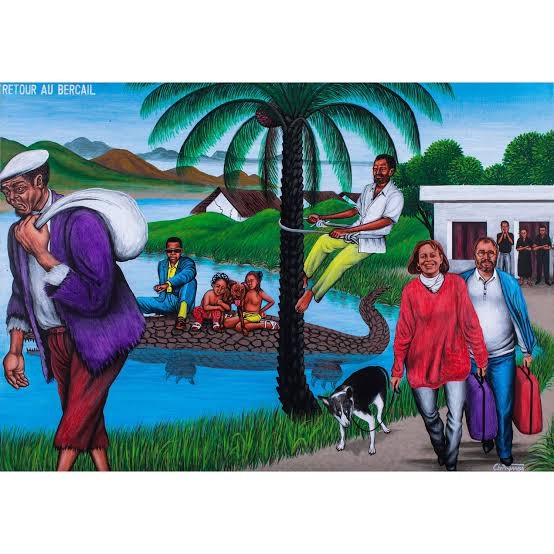
- Chéri Samba & Bodys Isek Kingelez (Contemporary Art): Kinshasa-born visual artists whose works are displayed in elite international museums like the Centre Pompidou in Paris and MoMA in New York. Kingelez’s architectural paper sculptures and Samba’s narrative paintings have redefined global perception of modern African art.
- Alain Mabanckou (Acclaimed Author): One of the most prominent contemporary Francophone writers, Mabanckou’s novels—exploring Congolese identity and the diaspora—have been translated into dozens of languages, earning top literary prizes globally.
- Gims & Dadju (International Music Sensations): Born in Kinshasa, brothers Gims and Dadju have topped charts across Europe, filling stadiums like the Stade de France and bringing Congolese melodic sensibilities into modern French pop and hip-hop.” Gemini AI
How to be happy in the Congo?
Prompt : How can someone not from the Congo be happy in the Congo? And why are some Congolese with so little are so happy and hopeful?
“The question of how to find happiness in the DRC—and how local communities maintain warmth and hope despite material scarcity—touches on deep psychological, cultural, and human truths.
1. Why Are Congolese People Often So Happy and Hopeful Despite Having Little?
What outside observers often perceive as “happiness despite having little” is not a denial of hardship, but a profound cultural framework built around connection, expression, and resilience.
Bosembo & Radical Community (Ubuntu)
In the West, well-being is often tied to individual autonomy and material security. In the DRC, personal identity is deeply relational. The African concept of Ubuntu (“I am because we are”) manifests daily:
- Shared burdens and joys: Food, childcare, and news are shared across extended families and neighbors. Solitude is rare, and loneliness—a primary driver of unhappiness in developed nations—is virtually non-existent in daily community life.
- Social safety nets: When someone suffers a loss or celebrates a milestone, the entire neighborhood participates. Resilience becomes collective rather than an individual struggle.
Joy as Cultural Resistance & Expression
- Music as therapy: Music and dance are not background entertainment in the DRC; they are vital emotional outlets. Whether listening to Rumba in a nganda (outdoor bar) or singing in church, music allows people to process grief, celebrate life, and transcend immediate struggles.
- Pride in identity (La Sape): Movements like La Sape illustrate how self-respect, elegance, and creativity can exist entirely independent of financial wealth. Dressing impeccably is a statement that poverty does not define a person’s dignity.
Grounded Presentism & Faith
- Living in the present: In environments where the future is unpredictable, people develop an acute ability to savor the present moment—a good conversation, a shared meal, a sunny afternoon—rather than worrying endlessly about hypothetical future scenarios.
- Deep spiritual hope: A strong foundation of faith (whether Christian, local spiritual traditions, or community churches) provides a sense of higher purpose, emotional peace, and an enduring belief that tomorrow can be better.
2. How Can an Expat or Visitor Be Happy Living in the DRC?
For non-Congolese moving to or living in the DRC, finding fulfillment requires shifting away from expecting Western conveniences and leaning into what makes the country special.
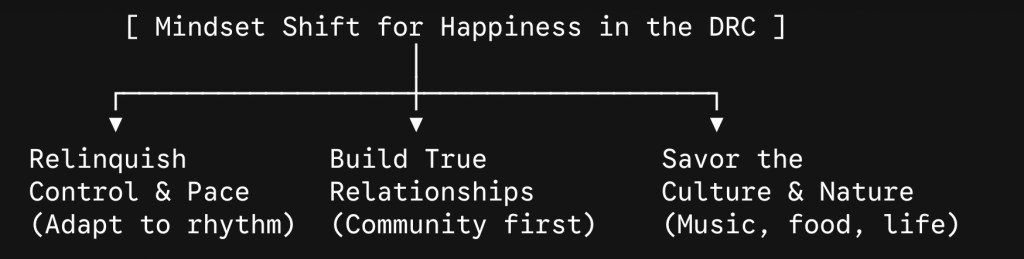
Shift Your Definition of “Efficiency”
If your happiness relies on punctual schedules, uninterrupted electricity, or smooth logistics, life in the DRC will feel overwhelming.
- Practice radical flexibility: Learn to laugh off delays and view unexpected obstacles as part of the daily story rather than personal failures.
- Adopt local time orientation: People and relationships take priority over strict clocks. A 30-minute conversation with a neighbor is considered far more valuable than arriving early to an appointment.
Build Genuine Local Relationships
Expats who stay isolated in international bubbles often experience frustration. Those who thrive:
- Learn the local language: Learning basic Lingala (in Kinshasa) or Swahili (in Goma/Lubumbashi) opens doors immediately. Phrases like “Mbote” (Hello) or “Ndenge nini?” (How are you?) invite instant warmth and humor.
- Engage with humility: Approach people not as an observer or solver, but as a guest willing to listen, learn, and share humor.
Immerse Yourself in the Lifestyle
- Savor the culinary & social scene: Enjoy Liboke at a riverside restaurant, spend an evening listening to live Rumba bands, and explore local markets.
- Connect with the environment: Take weekend trips to green spaces—whether the shores of Lake Kivu in Goma, the sanctuaries around Kinshasa (like Lola ya Bonobo), or the surrounding hills.
The Takeaway: Happiness in the Congo isn’t found in smooth infrastructure or material ease; it is found in the warmth of its people, the richness of its culture, and the art of finding deep joy in human connection today.
Human text:
Other suggestions to enjoy life here:
- Try to live very close to your work to avoid the commute which can drive you nuts.
- Try to not judge anyone, local or foreign. Do your best to see life from their perspective. Everyone tries to live according to their world view. We can learn from everyone (or so I thought 😉 !).
- Get out of the urban madness or the country if you can from time to time to quiet green leafy clean areas outside the beaten path or to nearby countries. Even Brazzaville will seem like another universe compared to Kinshasa.
- Find friends that have similar interests and values.
- Try to trust your colleagues and get to know them.
- If you can’t handle something, it’s ok. Take a step back and try again another time.
- Try not to get sick, avoid stupid risks (driving a motorbike), wear anti mosquito, don’t drink too much, etc…
- Stay healthy and try to do new things with a local colleague after work. Try new things.
- Find what works for you. If 110% Congolese lifestyle with local transportation, food, environment, etc… is not possible, try to dial it down to 10 or 20% if you can. Take what you like, leave out what you don’t. But sometimes Congo will ask you to be all in.
- There are so many more tips, but look and ask around.
- Reach out and ask for help if it gets too hard.
- If you’re not happy here, of course, you should leave. Especially if you have the choice. Remember that most people would love to have the luxury of leaving.
- Business-wise, there is so much to do, there are so many opportunities. You can start small in a company here and quickly climb the ranks or start your own Taco truck or shop and strike out on your own as I’ve seen so many foreigners do. But some haven’t been so lucky and have left with empty pockets.
- If you are a go getter and adventurer, the Congo will test you everyday and just maybe it will reward you. For sure, it is a drug that you won’t get anywhere else 😉
What do you think of these thoughts and ideas? I’m surprisingly impressed and find it all quite accurate.
Disclaimer : These suggestions obviously won’t guarantee that you will be happy here. It helps to have a happy family and home, enough money to eat and live comfortably. Some are not so lucky and being happy is extremely difficult. If you are truly unhappy in the Congo and the source of pain is being here, then of course you should leave if you can. Many Congolese who love their country just don’t see themselves living the reality of most Congolese and would never return. This is the case of many immigrants in the West or elsewhere.


Leave a Reply