
I’m not talking about South Africa. It’s fairly developed there. I’m talking about professional golfers in the rest of Africa.
There are only 2 courses here (Kinshasa and Lubumbashi) and out of reach for most due to costs and time limitations.
As an average Congolese in Kinshasa or Lubumbashi, it will be quite hard to get exposed to the sport. And if you’re mildly good, getting support is even harder.

Of course, after working very hard and sacrificing a lot, the best Congolese golfers have also had the fortune of getting sponsors and meeting helpful club members who helped them play and learn overseas.

There is one golfer in Kinshasa, Augustin Kafumpa, that has had overseas success. He is arguably the only Congolese golfer with the most success at the moment. He trains hard on his own and has been able to learn from foreign players and by playing in other countries (Morocco, France, Gabon, Ivory Coast, South Africa).
Today, only caddies and workers on the golf courses are in contact with this sport. Of course, Congolese members also play but none are yet playing scratch or almost professional competitive golf. Golf clubs are hard to come by for the caddies.

Last week, the Kinshasa golf club hosted its yearly amateur Open where 30 pros from around Africa and Europe came to compete for the 10k USD up for grabs.
A Zimbabwean professional, Robson Chinhoi, who now (2023) plays on the Sunshine Tour in South Africa and the young Aubin Lacaze from France, on the German Pro Golf Tour, shared the winnings.
Kenyan, Ugandan, Zambian, Gabonese and another French professional came for the event.

It was great to see that the event and the sport brought so many talented and young players from different parts of Africa and the world to play together. Sadly costs in the city and flights make the trip very expensive for them.
They all play on their local tours if there are any. Some travel to various events in the region (Ivory Coast, Gabon, Cameroon, Kenya, South Africa, Zambia). The prize money is usually small so their budgets and winning opportunities are low.

Unless they break into the South African or Asian tours or make it to Europe or the USA, the ability to make a living from golf seems very difficult.
Compared to golfers in Europe, the US or Asia, the ones in DRC, and to a lesser extent the whole region, there are very little means to access better facilities, coaching or financial support to help them get better at the game.
In DRC, how do you grow a sport that can only be played on two private courses? The sad answer is maybe you can’t. Maybe more accessible golf courses need to be created, prices need to be dropped, or sports authorities need to step in and inject funds to find more talent and help young player grow through academies.
A young caddie in Uganda, Sali Rogers, is trying to grow the sport by visiting local schools and teaching golf. He got noticed by the PGA Tour and is on his way to become the first Ugandan PGA certified coach.
Another very big challenge is that golf is mostly inaccessible whereas other sports like running, football and basketball are easily played without massive ressources.
Morocco has also done well to grow golf with many professionals playing internationally. There are a lot of golf courses there.
South Africa seems to have figured out how to grow the sport but the rest of the continent can’t seem to produce enough talent that will go onto the PGA Tour or European Tour. Why is that? When will Africa have its own tour? Maybe one day LIV will come to Africa?
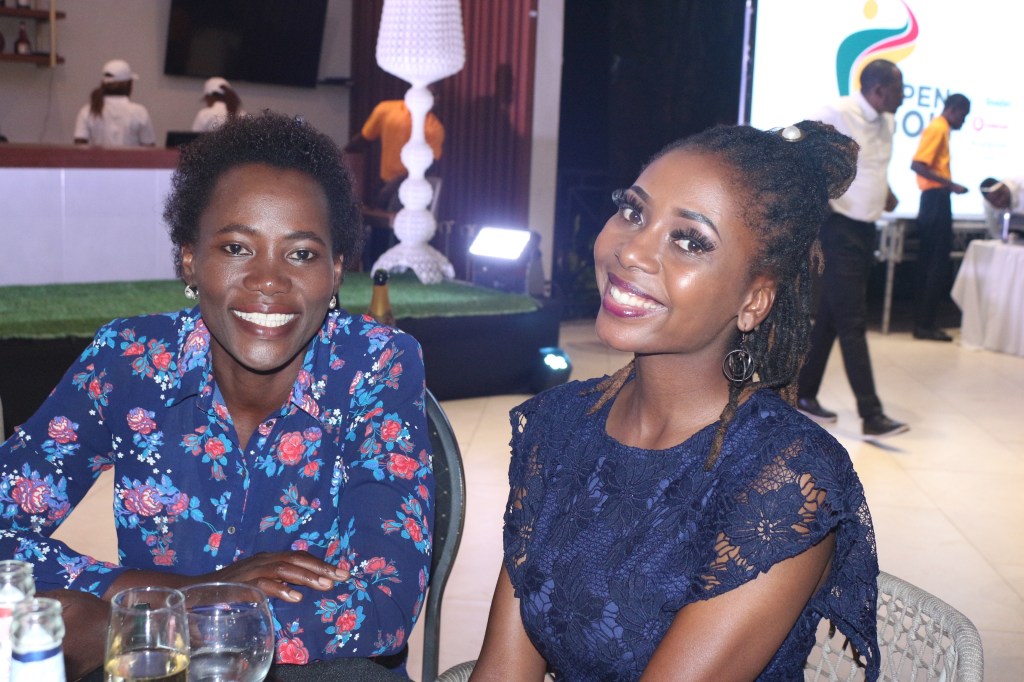
Another big challenge for golf in Africa is the lack of female golfers. Luckily some sponsors brought in 3 female golfers to Kinshasa : 2 from Zimbabwe and 1 from Uganda: Shamiso Abishel Makwara, Irene Nakalembe and Flavia Namakula, respectively.
What do you think? Are you a professional golfer in Africa? How do you manage?
If you are, I’d love to hear your answers to the following questions:
1. What is your name?
2. Where are you from and which is your home club?
3. Who is your role model in golf?
4. How did you start golf?
5. What’s the hardest thing about being a golf pro in Africa?
6. Why did you become a pro?
7. What is your ultimate goal?
8. What does a typical day look like?
9. What should golf clubs like Kinshasa do to promote golf as a sport?
10. How should clubs find and grow talent?
11. What would make you come again to Kinshasa?
12. Any advice for amateur golfers who struggle with their game?
13. What other hobbies or passions do you have?
14. Is there something else in golf that you would like to do later?
15. What advice would you give to other young golfers in Africa who would want to be a pro?
16. Do you travel a lot? How do you cover your expenses?
17. How is your game these days? Any parts of the game you would like to improve? What are your strengths?
18. Do you have a sponsor? Is it important?
19. How do you find support and coaching?
20. How does someone become the best golfer in Africa and still keep winning tournaments?
21. What kind of sacrifices do you have to make?
22. If you are a female golfer, what are the biggest challenges you face as a woman in the sport in Africa?
23. Does your home country or club do a lot to grow the sport? If yes how? If not why?
24. If you weren’t a golfer or you stopped golf, what would you do?

 Emilio in Congo (DRC)
Leave a reply to Irene Cancel reply